Samuel Beckett was born in Dublin in 1906. He befriended the famous
Irish novelist James Joyce, and his first published work was an essay on
Joyce. In 1951 and 1953, Beckett wrote his most famous novels, the
trilogy Molloy,Malone Dies,and The Unnameable.
Waiting for Godot, Beckett's first play, was written originally
in French in 1948 (Beckett subsequently translated the play into English
himself). It premiered at a tiny theater in Paris in 1953. This play
began Beckett's association with theTheatre of the Absurd, which influenced later playwrights like Harold Pinter and Tom Stoppard.
The most famous of Beckett's subsequent plays include Endgame (1958) andKrapp's Last Tape (1959). He also wrote several even more experimental plays, like Breath (1969), a thirty-second play. Beckett was awarded the Nobel Prize in 1969 and died in 1989 in Paris.
Summary:
Two men, Vladimir and Estragon, meet near a tree. They converse on
various topics and reveal that they are waiting there for a man named
Godot. While they wait, two other men enter. Pozzo is on his way to the
market to sell his slave, Lucky. He pauses for a while to converse with
Vladimir and Estragon. Lucky entertains them by dancing and thinking,
and Pozzo and Lucky leave.
After
Pozzo and Lucky leave, a boy enters and tells Vladimir that he is a
messenger from Godot. He tells Vladimir that Godot will not be coming
tonight, but that he will surely come tomorrow. Vladimir asks him some
questions about Godot and the boy departs. After his departure, Vladimir
and Estragon decide to leave, but they do not move as the curtain
falls.
The next night, Vladimir and Estragon again meet near the tree to wait
for Godot. Lucky and Pozzo enter again, but this time Pozzo is blind and
Lucky is dumb. Pozzo does not remember meeting the two men the night
before. They leave and Vladimir and Estragon continue to wait.
Shortly after, the boy enters and once again tells Vladimir that Godot
will not be coming. He insists that he did not speak to Vladimir
yesterday. After he leaves, Estragon and Vladimir decide to leave, but
again they do not move as the curtain falls, ending the play.
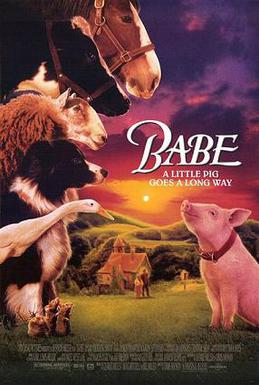
When Babe was
released in the USA, it is reported that "activists around the country
staked out movie theatres with flyers documenting the real life abuses
of pigs".The film had a marked effect on the growth of vegetarianism,
particularly among the young. It also promoted a more sympathetic view
of the intellectual, emotional and social capacities of animals.James
Cromwell became an ethical vegan as
a result of starring as Farmer Hoggett, saying, "I decided that to be
able to talk about this [movie] with conviction, I needed to become a
vegetarian." In 1996 he went on to organize a vegetarian dinner for the
Los Angeles homeless at a “Compassionate Christmas” eventin order to reverse the barnyard view that "Christmas is carnage".
·
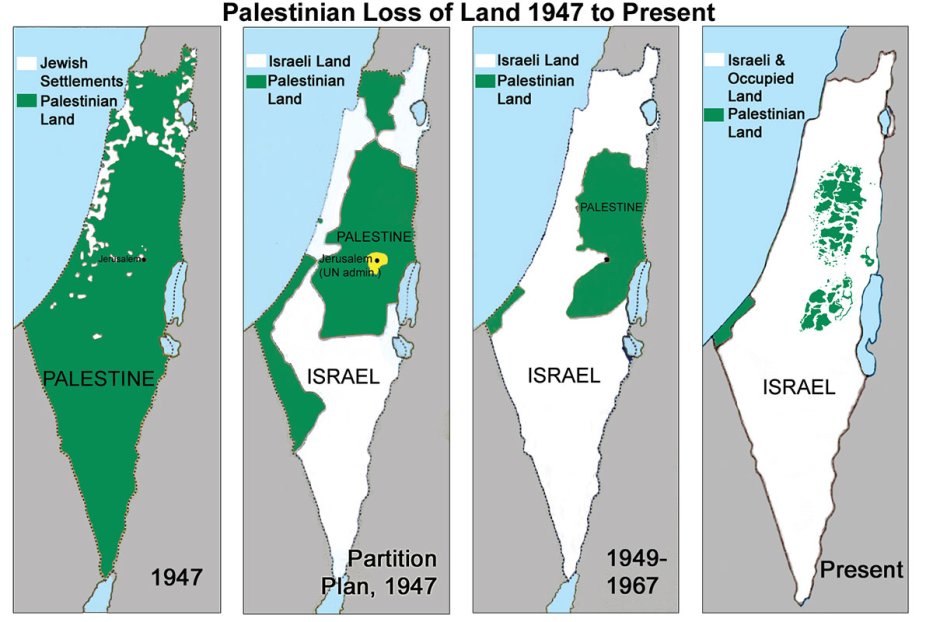
Imagine you are a young Israeli or a young Palestinian and you live in
this country. How do you fell about the omnipresent terror? How can we
stop the vicious circle of hate and violence? What can be done to make
the region a prospering and peaceful country?
· Do you
think that the UN will be able to solve the
long-lasting conflict in this region? What could be the solutions
Did you know that some types of stress can be good for you? That's
right! Some forms of stress can be good for you, but other types of
stress disorders can cause major health problems and even be life
threatening. Stress is a natural function of the body, but understanding
the different types of stress, such as distress and eustress, helps you
to better understand how to deal with the stress you find in your life.
Types of Stress
So, what are the major types of stress? While there are many
subcategories of stress that are being treated today, the major types of
stress can be broken down into those different categories: Eustress,Hyperstress, Hypostress,Distress and Acute Stress.
Eustress
Eustress is one of the helpful types of stress. What is the definition
for eustress? It is the type of stress you experience right before you
have the need to exert physical force. Eustress prepares the muscles,
heart, and mind for the strength needed for whatever is about to
occur.Eustress can also apply to creative endeavors. When a person needs
to have some extra energy or creativity, eustress kicks in to bring
them the inspiration they need. An athlete will experience the strength
that comes form eustress right before they play a big game or enter a
big competition. Because of the eustress, they immediately receive the
strength that they need to perform. When the body enters the fight or
flight response, it will experience eustress. The eustress prepares the
body to fight with or flee from an imposing danger. This type of stress
will cause the blood to pump to the major muscle groups, and will
increase the heart rate and blood pressure to increase. If the event or
danger passes, the body will eventually return to its normal state.
_____
Hyperstress
Hyperstress comes from being overwhelmed with workloads or something
similar. Individuals who have hyperstress may snap back at you for the
littlest reason.
_____
Hypostress
If you don´t feel challanged and you find several things boring, you are experiencing Hypostress.
_____ Distress
Distress is one of the negative types of stress. This is one of the
types of stress that the mind and body undergoes when the normal routine
is constantly adjusted and altered. The mind is not comfortable with
this routine, and craves the familiarity of a common routine. There are
actually two types of distress: acute stress and chronic stress.
_____ Acute Stress
Acute stress is the type of stress that comes immediately with a change
of routine. It is an intense type of stress, but it passes quickly.
Acute stress is the body's way of getting a person to stand up and take
inventory of what is going on, to make sure that everything is OK
Teenagers, like adults, may experience stress everyday and can benefit
from learning stress management skills. Most teens experience more
stress when they perceive a situation as dangerous, difficult, or
painful and they do not have the resources to cope. Some sources of stress for teens might include:
* school demands and frustrations
* negative thoughts and feelings about themselves
* changes in their bodies
* problems with friends and/or peers at school
* unsafe living environment/neighborhood
* separation or divorce of parents
* chronic illness or severe problems in the family
* death of a loved one
* moving or changing schools
* taking on too many activities or having too high expectations
* family financial problems
Some teens become overloaded with stress. When it happens, inadequately managed stress can lead to anxiety, withdrawal, aggression, physical illness, or poor coping skills such as drug and/or alcohol use.
When we perceive a situation as difficult or painful, changes occur in
our minds and bodies to prepare us to respond to danger. This "fight,
flight, or freeze" response includes faster heart and breathing rate,
increased blood to muscles of arms and legs, cold or clammy hands and
feet, upset stomach and/or a sense of dread.
The same mechanism that turns on the stress response can turn it off. As
soon as we decide that a situation is no longer dangerous, changes can
occur in our minds and bodies to help us relax and calm down. This
"relaxation response" includes decreased heart and breathing rate and a
sense of well being. Teens that develop a "relaxation response" and
other stress management skills feel less helpless and have more choices
when responding to stress.
Teens can decrease stress with the following behaviors and techniques:
* Exercise and eat regularly – take care what you eat! * Avoid excess caffeine intake which can increase feelings of anxiety and agitation * Avoid illegal drugs, alcohol and tobacco * Learn relaxation exercises (abdominal breathing and muscle relaxation techniques) *
Develop assertiveness training skills. For example, state feelings in
polite firm and not overly aggressive or passive ways: ("I feel angry
when you yell at me" "Please stop yelling.") *
Rehearse and practice situations which cause stress. One example is
taking a speech class if talking in front of a class makes you anxious * Learn practical coping skills. For example, break a large task into smaller, more attainable tasks
*
Decrease negative self talk: challenge negative thoughts about yourself
with alternative neutral or positive thoughts. "My life will never get
better" can be transformed into "I may feel hopeless now, but my life
will probably get better if I work at it and get some help"
* Learn to feel good about doing a competent or "good enough" job rather than demanding perfection from yourself and others
*
Take a break from stressful situations. Activities like listening to
music, talking to a friend, drawing, writing, or spending time with a
pet can reduce stress
* Build a network of friends who help you cope in a positive way
By
using these and other techniques, teenagers can begin to manage stress.
If a teen talks about or shows signs of being overly stressed, a
consultation with a child and adolescent psychiatrist or qualified
mental health professional may be helpful.
Take
a look at the global Map of World Happiness. Why are people in some
parts of the world very happy? Is happiness the same a wealth? Does
money really make happy?
As
a student at our school you advise other students how to cope with
stress at school, at home, with your first love, etc. Also explain the
term: work-life balance!
What
is your personal strategy to fight stress? Do we always try to make the
best out of every day, like we are told in the film Dead Poet’s Society (Carpe Diem)? How to seize the day?
A warm welcome to our students' blog! This is our platform for homework and commentaries! Students have to post their homework, read and comment on the homework of other students on this blog. Homework assignments are posted by me, Helmut Kalss. Detailed information is given with the assignments. My comments and corrections are discussed in class (Error File). There is a deadline for every homework assignment and posts submitted later cannot be accepted
Always when you like a text, just feel free to give a feedback! What is it you appreciate? When you think your classmate has overlooked a mistake – just tell him/her. Making mistakes is really no problem, but we shouldn’t make the same mistakes again and again! Just help you friend to avoid this mistake in the future! You can communicate via e-mail!
All for each and each for all! If you have any problems or questions concerning the task, feel free to ask me in class or online. Just post a comment or send an e-mail: