How are schools in Austria and the US funded differently?
Who decides what students learn in Austria compared to the US?
Do students in Austria and the US have to pay for college? How much?
How does education affect job chances and social status in both countries?
Are students in Austria or the US more likely to come from wealthy families? Why?
How do the government’s rules about schools change what students experience and learn?
Do the school systems help or stop poor students from doing well?
How might student loans or debts affect people’s lives in the US compared to Austria?
Do schools in both countries separate students into groups based on their skills? How does this affect society?
What can Austria learn from the US or vice versa to make schools better for everyone?
Group activity:
School Funding Differences Activity: Students create a simple infographic comparing how schools are funded in Austria and the US. They can include government funding, private funding, and student fees. Discussion Tip: Ask, “How does funding affect the quality of schools and what opportunities students have?”
Who Makes School Decisions? Activity: Role-play a school board meeting where students act as teachers, students, parents, and government officials deciding on school policies. Discussion Tip: Encourage students to reflect on whose interests should be prioritized and why.
College Costs and Debts Activity: Make a comparison chart of college costs in Austria and the US. Have students write short personal reflections on how student debt could affect future life choices. Discussion Tip: Ask, “Should college be free? Why or why not?”
Education’s Role in Jobs and Society Activity: Students list common jobs in Austria and the US and discuss what kind of education or training is needed for each. Discussion Tip: Explore how education impacts social mobility and access to opportunities.
Family Income and Education Activity: Use real-life stories or case studies showing how family wealth influences education access. Students can write their thoughts on fairness and equality. Discussion Tip: Ask, “How can society ensure everyone has a fair chance regardless of their background?”
School Rules and Cultural Values Activity: Make a list of common rules in Austrian and US schools. Students discuss why these rules exist and what cultural values they reflect. Discussion Tip: Encourage thinking about the purpose of rules and if they are fair.
Supporting Low-Income Students Activity: Research and present current programs in Austria and the US designed to help students from low-income families succeed. Discussion Tip: Talk about ways schools can offer equal opportunities and the importance of social support.
Impact of Student Debt Activity: Share stories of people with student debts. Have students write about how debt might influence their future plans, like choosing a job or lifestyle. Discussion Tip: Discuss whether education should be a right or a privilege, and how debt affects social equality.
School Tracks and Social Segregation Activity: Debate if tracking students into different groups (like academic or vocational tracks) is fair. Students can share arguments for and against. Discussion Tip: Consider how tracking might help or hurt social cohesion and equal opportunity.
Ideas for Better Schools Activity: Students work in groups to come up with one idea for how Austria and the US can learn from each other to improve education for all students. Present their ideas to the class. Discussion Tip: Focus on practical solutions that promote fairness, access, and quality.
your task is to create a short video (2-3
minutes) in English about one of the following topics related to farming and
sustainability. You should introduce the topic, explain why it is important,
and give some tips or ideas. Be creative and have fun!
Choose one topic from the list below:
My
Favorite Sustainable Farming Practice
How to
Grow a Vegetable Garden at Home
The
Importance of Recycling in Agriculture
Renewable
Energy Sources on Farms
Protecting
Wildlife and Natural Habitats
The
Benefits of Organic Farming
Water
Conservation Tips for Farmers and Homes
How to
Reduce Food Waste
The
Role of Technology in Modern Farming
Why
Climate Change Affects Agriculture
Guidelines:
Speak
clearly in English.
Use
visuals or props if possible.
Try to
be informative and engaging.
Record
your video in one shot if possible, but you can do multiple takes.
Post your video on TEAMS!
Don´t read! Talk freely! This is not a reading
task!
Posting a good video on time is an integral
part of your final assessment!
If you have any questions feel free to contact me via TEAMS!
Environmental
pollution comes in various forms, affecting air, water, soil, and even
sound. Here are 15 kinds of environmental pollution:
Air Pollution:
This involves the release of harmful gases, particulate matter, and
biological molecules into the atmosphere, often from industrial
processes, vehicle emissions, and the burning of fossil fuels.
Water Pollution:
Contamination of water bodies like rivers, lakes, oceans, and
groundwater by pollutants such as chemicals, pathogens, and waste
products from industrial, agricultural, and urban sources.
Soil Pollution:
Soil contamination occurs due to the presence of hazardous substances,
including heavy metals, pesticides, and industrial chemicals, which
affect soil fertility and can harm plants, animals, and humans.
Noise Pollution:
Excessive noise from sources like traffic, industrial machinery, and
urban development disrupts ecosystems, disturbs wildlife, and poses
health risks to humans, including hearing loss and stress-related
issues.
Light Pollution:
Artificial light from streetlights, buildings, and vehicles can disrupt
natural light cycles, impacting wildlife behaviour, disrupting
ecosystems, and contributing to energy waste.
Thermal Pollution:
This results from the release of heated water into natural water bodies
from industrial processes, power plants, and urban runoff, which can
harm aquatic ecosystems and alter water temperatures.
Plastic Pollution:
The accumulation of plastic waste in the environment, especially in
oceans and waterways, poses significant threats to marine life,
ecosystems, and human health through ingestion, entanglement, and
chemical leaching.
Radioactive Pollution:
The release of radioactive substances into the environment from nuclear
power plants, mining operations, and improper disposal of radioactive
waste poses long-term health risks to humans and ecosystems.
Visual Pollution:
Unsightly visual elements such as litter, graffiti, and poorly
maintained infrastructure degrade the aesthetic quality of the
environment, impacting mental well-being and property values.
Biological Pollution:
The introduction of invasive species, pathogens, and genetically
modified organisms into ecosystems can disrupt the natural balance,
threaten biodiversity, and cause ecological harm.
Electromagnetic Pollution:
This includes electromagnetic radiation from sources such as power
lines, wireless communication devices, and electrical appliances, which
may have health impacts on humans and wildlife.
Chemical Pollution:
The release of harmful chemicals and toxins into the environment from
industrial processes, agriculture, and improper waste disposal poses
risks to ecosystems, wildlife, and human health.
Groundwater Pollution:
Contamination of underground water reservoirs by pollutants such as
pesticides, fertilizers, and industrial chemicals can render water unfit
for consumption and agricultural use.
Acid Rain:
Acidic precipitation resulting from the release of sulfur dioxide and
nitrogen oxides into the atmosphere combines with atmospheric moisture,
causing damage to forests, aquatic ecosystems, and infrastructure.
E-waste Pollution:
Improper disposal and recycling of electronic waste, including
computers, smartphones, and appliances, releases hazardous materials
like lead, mercury, and cadmium into the environment, posing health and
environmental risks.
Oral TASK:
How would you characterise the Simpsons family? Give a short plot
outline of “The Simpsons – Movie”. Why is it a film about environmental
protection? What is largely criticised in this cartoon series?
You are a member of GREENPEACEhttp://www.greenpeace.organd
you want to convince a good friend to join the organisation to fight
against environmental pollution. Which arguments can you give?
In
your opinion, are we sometimes as careless as the Simpsons family? What
can everybody do, to make our world a better place to live?
Imagine the following situation: English Course Landjugend
Monolog You
are a member of your local “Landjugend”
organisation. Some of your friends want to improve their English. So you organise
a weekly evening to show a film and to talk about interesting topics. This week
you want show the famous movie Basketball
Diaries, based on an autobiographical story.
Make a short
introduction to lead in the film
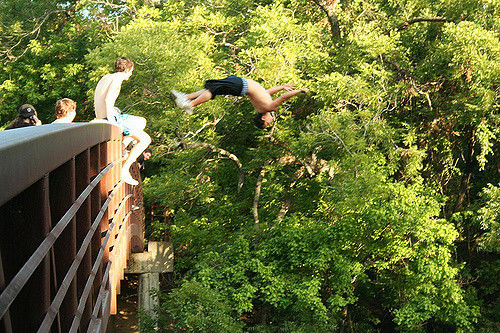
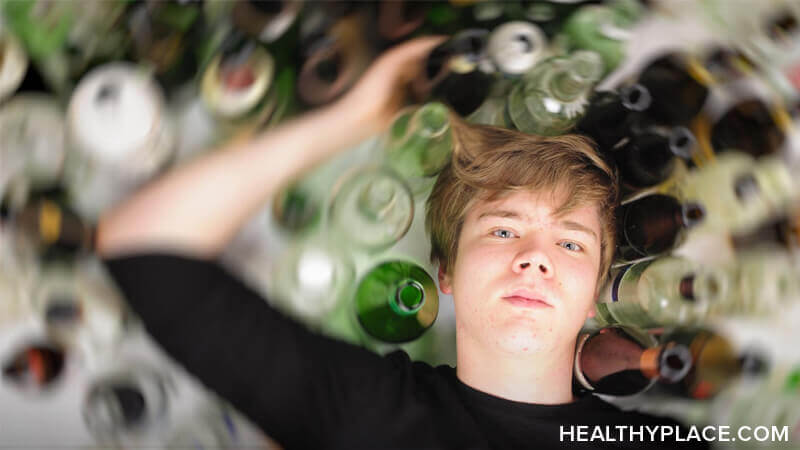
Illustrate which kinds
of drugs you know - that they can take care when they are in discos, that
nothing dangerous is put into their drinks.
You try to warn your
friends from taking drugs and other addictions
Dialogue
After
the film you take some drinks with your colleagues. There you converse about:
Types of drugs and dependencies and how to avoid them
Evaluate
the role peer-pressure plays
Give
advice and recommend good stress management strategies
Explain the concept of
Carpe Diem/ to seize the day
Asses stress and
pressure for young people nowadays
Recommend your personal
stress management strategies and concepts of happiness
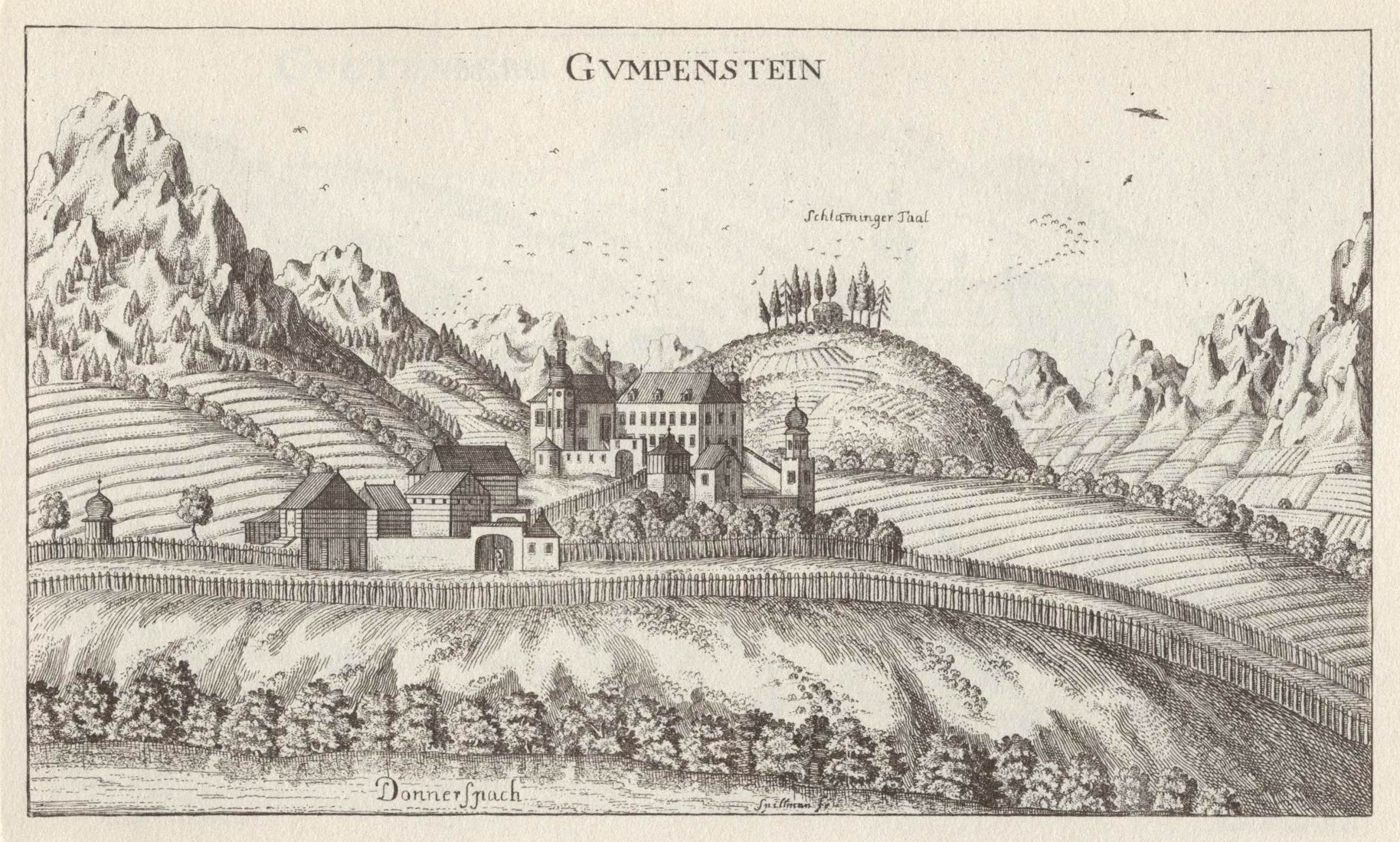
It was a cold and dreary November night at GumpensteinCastle. The moon was
shrouded by heavy clouds. Only now and then some dim rays were able to shed
light on the old crumbled walls. Nasty fog patches were drifting through the
valley.
Only sometimes through the fog,
you could see (could you see/inversion!)see the diffuse lights in the windows
of the famous old boarding school of Raumberg-Gumpenstein. Also it was nearly witching
hour, some unfortunate students were still sitting over their heavy books. Silence!
Suddenly they heard a terrible scream! …..
Role Play: Characters:
·The Raumberg Spirit
·Michael, Paul,…
·Resi, Birgit, …
·Dr. Karl,
the Headmaster
·Thomas, the
caretaker of the building
...
__________________________________________________________ Spirit: the activating or essential principle influencing a person acted in a spirit of helpfulnesshttps://www.merriam-webster.com/di
Read the text in the supplement - it will provide
necessary information and should inspire your individual long turn talk.
Imagine the following situation: Presentation
University
Individual Long Turn4-5 min
You
study forestry at the University of Natural Resources and Life
Science, Vienna (BOKU). You are spending an exchange semester at the
University of Sibiu (Romania) at the moment. For a seminar you have to prepare
a short presentation about forestry in Austria.
Inform your fellow
students about the importance and functions of forestry in Austria
Explain why wood
becomes increasingly important also in the field of architecture
Outline the increasing
importance of wood in the field of energy supply
Paired Activity8-10 min.
After
your seminar you take some drinks with your colleagues. There you converse
about:
the importance of our
woods for biodiversity and Austrian tourism
the advantages of wood
as building material
problems in Austrian
forests
the risks of global
deforestation
sustainable ways of wood
production and energy supply
About half of Austria's area is covered by forest
land. Therefore, the right use of sustainable management can only be done by a
natural oriented forestry. This guarantees a continuous supply of timber, a
steady flow of income for the owners - the employers as well as for the
employees of the forest industry - and it is also the basis of settlement and
agricultural utilization of our environment. Natural oriented forest management
can only be a compromise between ecological conditions and economic objectives.
The conflicting interests of economy and ecology compel foresters to be
flexible since they must deal with public interests more and more.
A basic principle of Austrian forestry is the
principle of sustained yields to preserve the forests, their functions and
social benefits. This does not necessarily mean to merely copy the regularities
of nature but to think in economic terms as well. The strategy of a natural
oriented forestry is to combine economy and nature. A well-planned forest
policy could be applied to the high standards of environmental policy. However
without the natural protective effects of forests - especially regarding
avalanches, torrents and mud-rock flows - our Alpine region could not be
settled and inhabited.
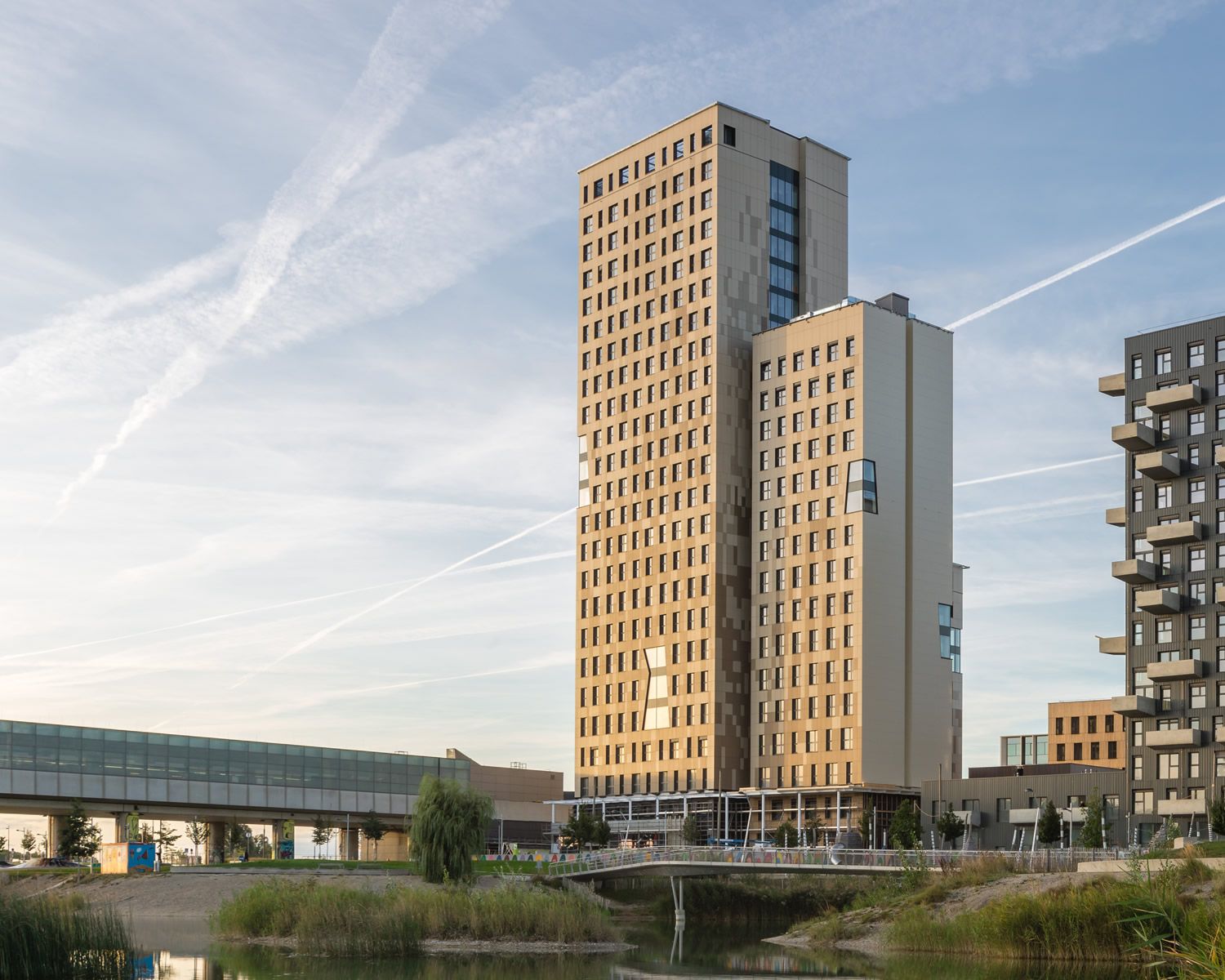
Architects hail environmental benefits of HoHo project – but the city’s
fire brigade has concerns
A wooden skyscraper that Austrian architects
say will be the tallest of its kind in the world is to be built in Vienna next
year. The 84-metre (276ft) HoHo project in the Seestadt Aspern area, one of
Europe’s largest urban development sites, will house a hotel, apartments,
restaurant, wellness centre and offices, and is expected to cost about €60m
(£44m). Project developer Caroline Palfy, of Kerbler, which is behind the
building, said the firm chose wood because of its environmental benefits. “I
think it is important everyone now in 2014 thinks in different ways. We have
wood, which is a perfect construction material for building,” she said. “It was
used 200 years ago and it was perfect then and is perfect now. ”With 76% of the
building expected to be made from wood, architects say it will save 2,800
tonnes of CO2 emissions when compared with a similar concrete structure, the
equivalent of driving a car 25 miles every day for 1,300 years. Compared with
wood, which absorbs CO2 from the air while a tree is growing, the production of
concrete causes high levels of carbon emissions. The Vienna fire service has
concerns about the wooden structure, however, and is working with the
architects to test their plans. “The main factor is that everyone wants to
build higher and higher buildings. An 84-metre-high building in Europe is not
usual and there are a lot of necessities that have to be realised,” said fire
service spokesman Christian Wegner. “A few of us were upset because it was
crazy to present an idea like this that has not been discussed with everyone
yet. “They have to carry out special tests on the correct combination of
concrete and wood. We also want to develop a more fail-safe sprinkler system. I
expect they will pass the tests but if they develop the building as they say
they will, it will be a serious project.” Other high-rise buildings in Vienna
have attracted concerns from politicians, who have described their height as
“exorbitant” and complained they were not being filled. But Katrina Riedl,
spokeswoman for the ÖVP, the Austrian People’s party, defended the latest
project. “Vienna is not a skyscraper city but innovation is part of our city
and why not try new things,” she said.
A warm welcome to our students' blog! This is our platform for homework and commentaries! Students have to post their homework, read and comment on the homework of other students on this blog. Homework assignments are posted by me, Helmut Kalss. Detailed information is given with the assignments. My comments and corrections are discussed in class (Error File). There is a deadline for every homework assignment and posts submitted later cannot be accepted
Always when you like a text, just feel free to give a feedback! What is it you appreciate? When you think your classmate has overlooked a mistake – just tell him/her. Making mistakes is really no problem, but we shouldn’t make the same mistakes again and again! Just help you friend to avoid this mistake in the future! You can communicate via e-mail!
All for each and each for all! If you have any problems or questions concerning the task, feel free to ask me in class or online. Just post a comment or send an e-mail: