


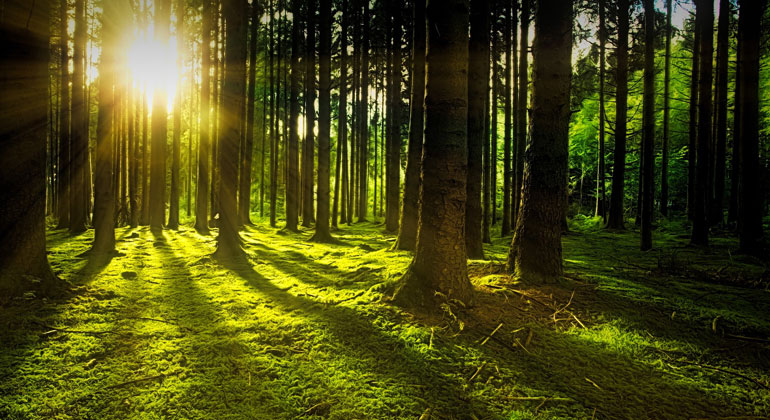
Read the text in the supplement - it will provide necessary information and should inspire your individual long turn talk.
Imagine the following situation: Presentation University
Individual Long Turn 4-5 min
You study forestry at the University of Natural Resources and Life Science, Vienna (BOKU). You are spending an exchange semester at the University of Sibiu (Romania) at the moment. For a seminar you have to prepare a short presentation about forestry in Austria.
Paired Activity 8-10 min.
After your seminar you take some drinks with your colleagues. There you converse about:
http://www.wallpaperup.com/74771/Rivers_Forests_Stones_Salzach_Austria_Moss_Trees_Nature.
THE AUSTRIAN FOREST ACT
About half of Austria's area is covered by forest land. Therefore, the right use of sustainable management can only be done by a natural oriented forestry. This guarantees a continuous supply of timber, a steady flow of income for the owners - the employers as well as for the employees of the forest industry - and it is also the basis of settlement and agricultural utilization of our environment. Natural oriented forest management can only be a compromise between ecological conditions and economic objectives. The conflicting interests of economy and ecology compel foresters to be flexible since they must deal with public interests more and more.
A basic principle of Austrian forestry is the principle of sustained yields to preserve the forests, their functions and social benefits. This does not necessarily mean to merely copy the regularities of nature but to think in economic terms as well. The strategy of a natural oriented forestry is to combine economy and nature. A well-planned forest policy could be applied to the high standards of environmental policy. However without the natural protective effects of forests - especially regarding avalanches, torrents and mud-rock flows - our Alpine region could not be settled and inhabited.
By Dieter Hanak-Hammerl, Federal Ministry of Agriculture and Forestry, Vienna http://www.fao.org/docrep/w3722e/w3722e05.htm
Vienna plans world's tallest wooden skyscraper
Architects hail environmental benefits of HoHo project – but the city’s fire brigade has concerns
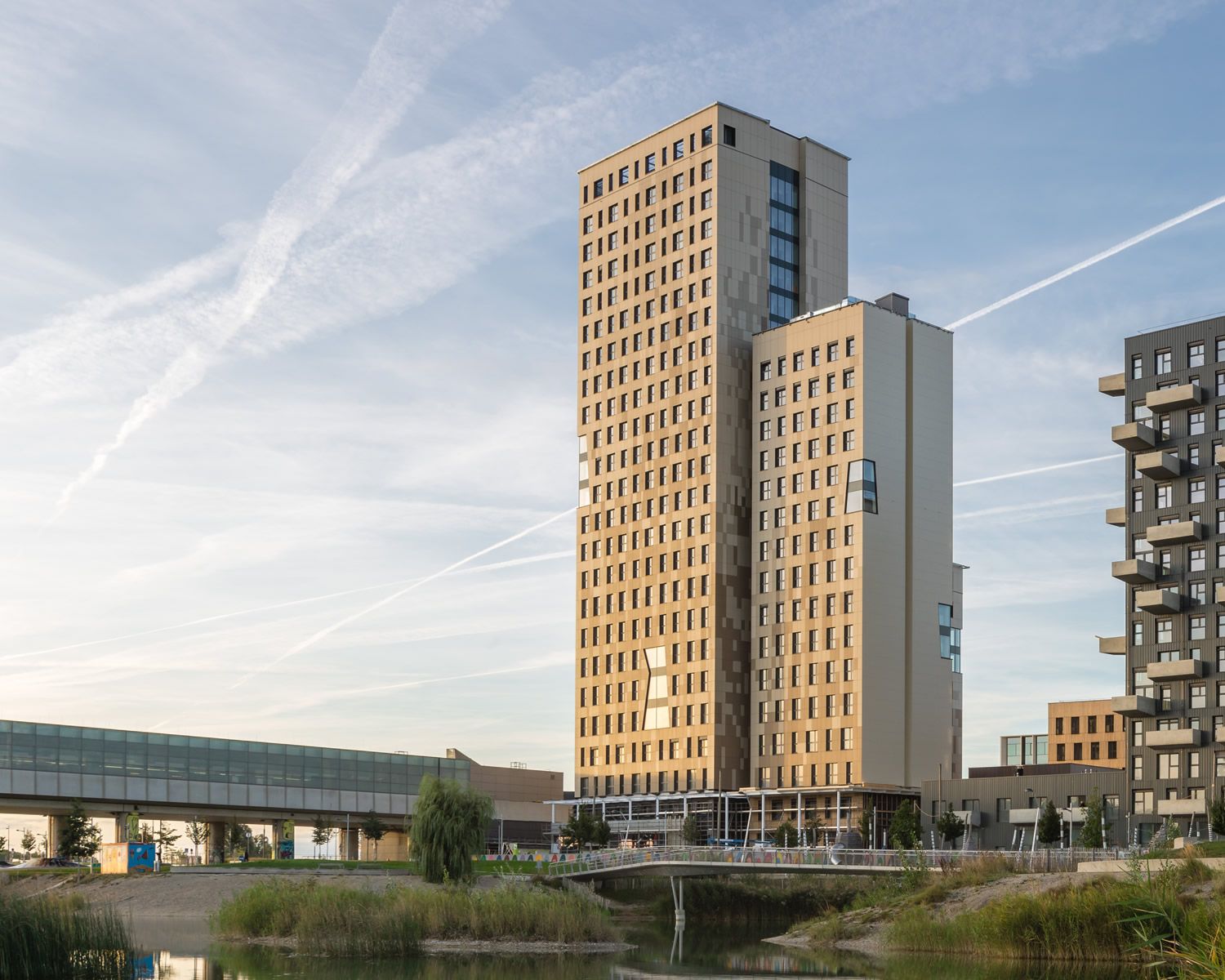
A wooden skyscraper that Austrian architects say will be the tallest of its kind in the world is to be built in Vienna next year. The 84-metre (276ft) HoHo project in the Seestadt Aspern area, one of Europe’s largest urban development sites, will house a hotel, apartments, restaurant, wellness centre and offices, and is expected to cost about €60m (£44m). Project developer Caroline Palfy, of Kerbler, which is behind the building, said the firm chose wood because of its environmental benefits. “I think it is important everyone now in 2014 thinks in different ways. We have wood, which is a perfect construction material for building,” she said. “It was used 200 years ago and it was perfect then and is perfect now. ”With 76% of the building expected to be made from wood, architects say it will save 2,800 tonnes of CO2 emissions when compared with a similar concrete structure, the equivalent of driving a car 25 miles every day for 1,300 years. Compared with wood, which absorbs CO2 from the air while a tree is growing, the production of concrete causes high levels of carbon emissions. The Vienna fire service has concerns about the wooden structure, however, and is working with the architects to test their plans. “The main factor is that everyone wants to build higher and higher buildings. An 84-metre-high building in Europe is not usual and there are a lot of necessities that have to be realised,” said fire service spokesman Christian Wegner. “A few of us were upset because it was crazy to present an idea like this that has not been discussed with everyone yet. “They have to carry out special tests on the correct combination of concrete and wood. We also want to develop a more fail-safe sprinkler system. I expect they will pass the tests but if they develop the building as they say they will, it will be a serious project.” Other high-rise buildings in Vienna have attracted concerns from politicians, who have described their height as “exorbitant” and complained they were not being filled. But Katrina Riedl, spokeswoman for the ÖVP, the Austrian People’s party, defended the latest project. “Vienna is not a skyscraper city but innovation is part of our city and why not try new things,” she said.
https://www.theguardian.com/cities/2015/mar/01/vienna-plans-worlds-tallest-wooden-skyscraper
Praktiken & Management
Ökologie & Biodiversität
Klima & Kohlenstoff
Politik & Ökonomie
Waldgesundheit & Störungen
Werkzeuge & Technologie
Produkte & Industrie
Gemeinschaft & Soziales
Forschung & Bildung
Hiroshima and Nagasaki
https://www.youtube.com/watch?v=3wxWNAM8Cso
COLD WAR
https://www.youtube.com/watch?v=94vQWuRg_JE
How do nuclear plants work?
https://www.youtube.com/watch?v=_UwexvaCMWA
Atomic incidents
https://en.wikipedia.org/wiki/Lists_of_nuclear_disasters_and_radioactive_incidents
https://www.youtube.com/watch?v=Rle1Bywi61M
https://www.youtube.com/watch?v=fwtNvnWZjZY
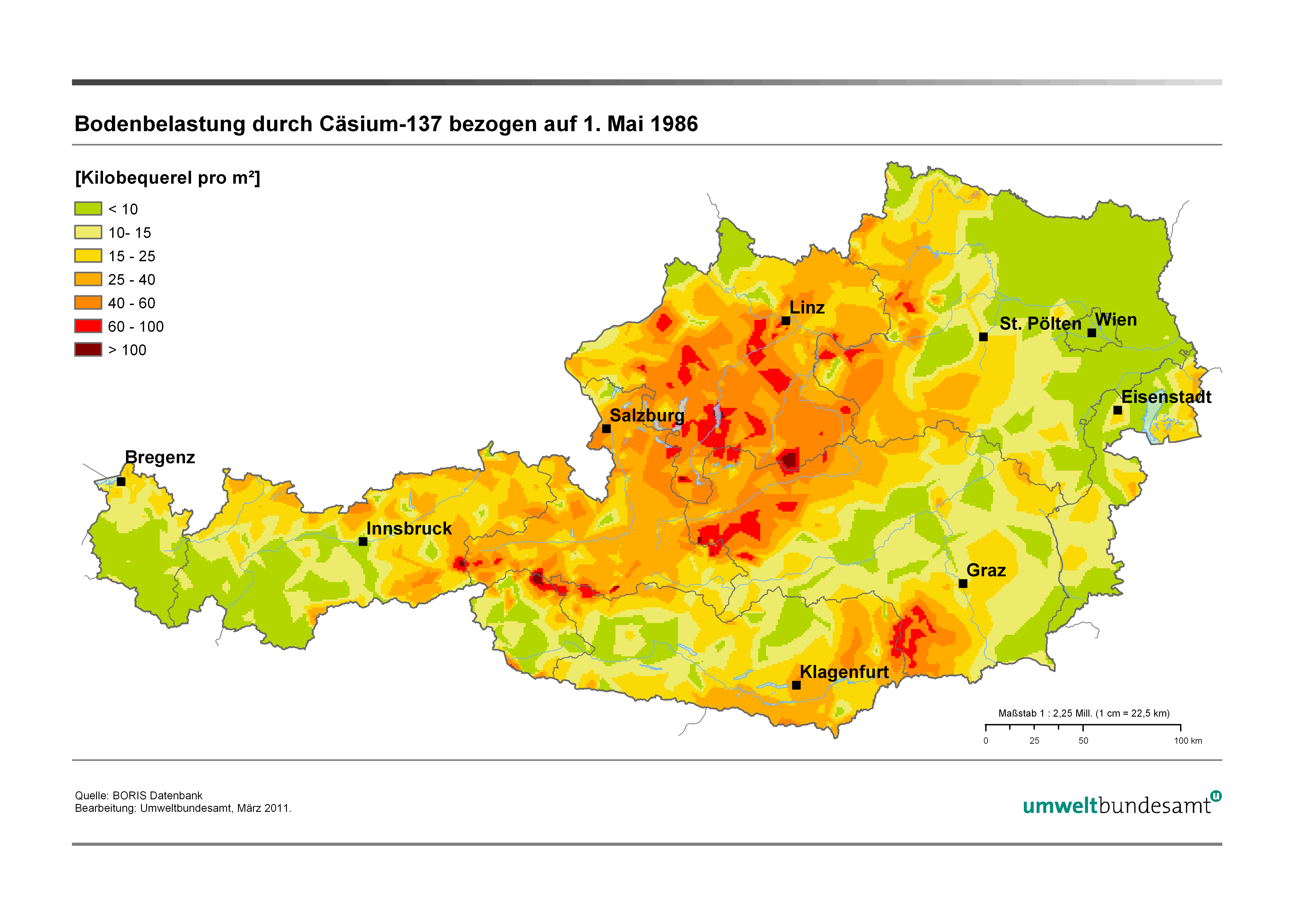
https://www.youtube.com/watch?v=373nz5dHeck
https://www.youtube.com/watch?v=HQKT4axR6RU
https://www.dw.com/en/germany-struggles-with-legacy-of-nuclear-power/av-47572278
Give a short summary of the videos. What do you know about the recent accidents?
What is going on in the Ukraine at the moment? Where so you see the dangers?
You work for a company producing alternative energy devices. You are in the USA to convince farmers to join the energy business.
What do you think about the fact that more and more countries are planning new atomic power stations to fight global warming? Where do you see the risks? What are the advantages and disadvantages? Where should we put the nuclear waste? Are there other solutions?
